Windhorst: Long Contracts Leave Lakers Little Flexibility
The short version
- ESPN's Brian Windhorst says the Lakers' biggest issue is too many long contracts among role players.
- Collin Sexton signed a two-year deal with a player option; Windhorst favored a one-year contract.
- Rob Pelinka traded the last two valuable draft picks for center Walker Kessler, the third star.
- LeBron James and Rui Hachimura left in free agency, leaving the forward positions uncertain.
- Per the report, only Luka Doncic and Austin Reaves hold strong trade value on the roster.
ESPN's Brian Windhorst says multiyear deals for Collin Sexton, Jarred Vanderbilt and other role players have left the Los Angeles Lakers with almost no roster flexibility.
The Los Angeles Lakers enter the season as one of the NBA's most debated teams after a busy offseason, and ESPN insider Brian Windhorst sees their biggest problem in the length of their contracts rather than their talent. LeBron James's departure was the headline story, but Windhorst argued the risks taken to improve the roster will determine whether the team succeeds or fails.
His concern centers on flexibility. Windhorst said the Lakers would be viewed completely differently if every role player carried one fewer season, noting that a Jarred Vanderbilt contract without a player option would be an expiring $12 million salary a team could actually use in trade talks. He applied the same logic to a one-year, $9 million arrangement for Collin Sexton, counted the two players together at $21 million, and pointed out that Quentin Grimes and Mamu are on four-year terms rather than three.
The headlining move was different in nature. General manager Rob Pelinka surrendered the franchise's final two valuable draft picks to acquire Walker Kessler, the center Luka Doncic wanted as a third star. Windhorst directed his criticism at the supporting contracts for Grimes and Sexton rather than that trade, though he noted the risk attached to it as well: another injury for Kessler, he said, would produce one of the worst contracts in the league.
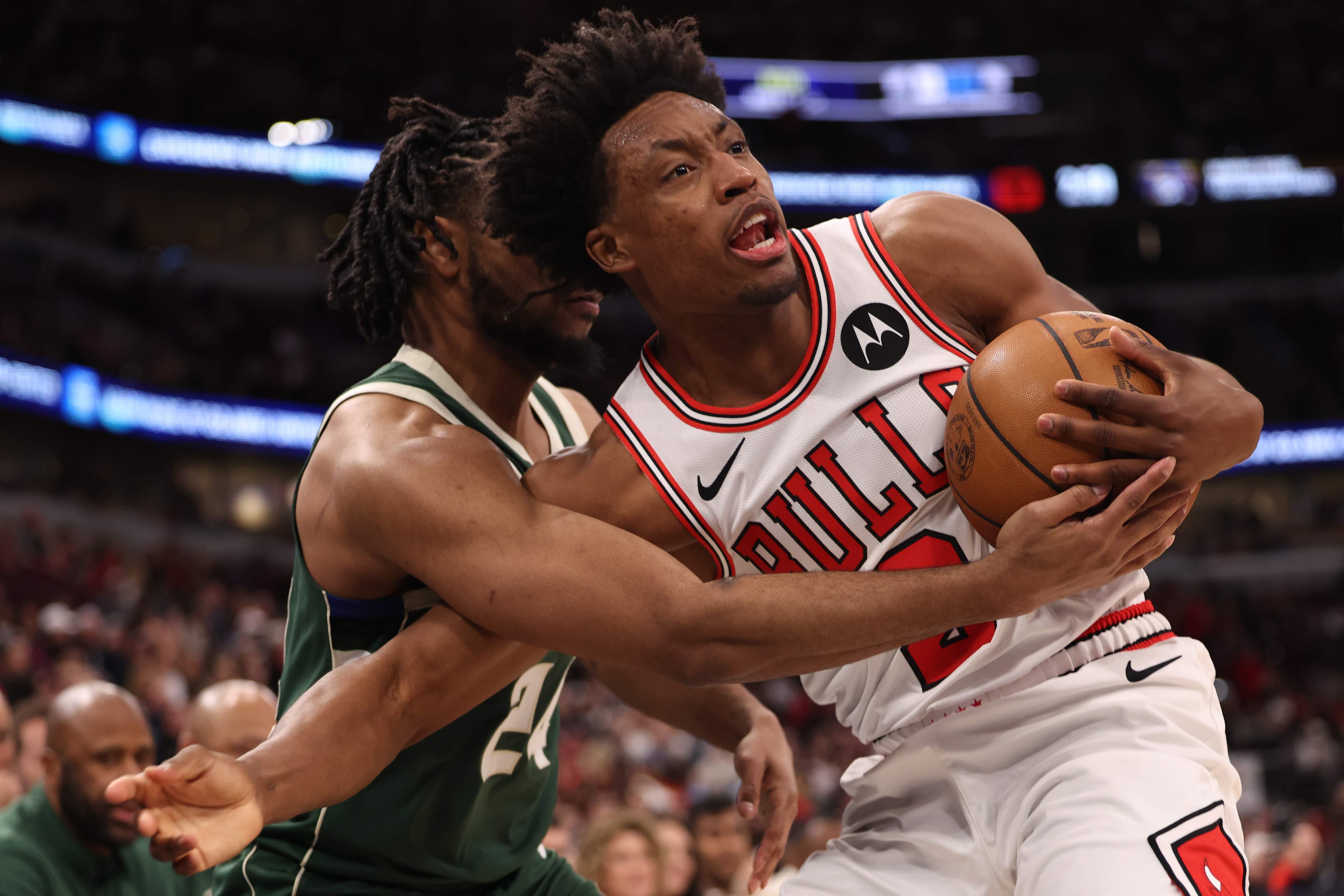
Sexton's two-year agreement has become a flashpoint, with fans arguing the money should have gone toward a forward. Because the deal includes a player option, he is likely to stay in Los Angeles next season regardless of how this one goes. Windhorst believed a one-year commitment made more sense and the funds were needed elsewhere. The Chicago Bulls were willing to let Sexton walk, and only a handful of teams showed interest in him.
The positional math drives the frustration. Los Angeles lost both of last season's starting forwards when James and Rui Hachimura left in free agency, and the options replacing them are considered flawed. Guard is the roster's strength, with Doncic and Austin Reaves each expected to play more than 35 minutes a night.
Contract length matters because trades offer little way out. Windhorst said no one on the roster beyond Doncic and Reaves holds strong trade value, that no team would give up a valuable player or first-round pick for young talents such as Bronny James or Dalton Knecht, and that Vanderbilt and Jake LaRavia become hard to move if they are not contributing to winning.
The stakes sharpen against a Western Conference the report casts as dominated by the San Antonio Spurs and the Oklahoma City Thunder. Windhorst questioned tying up all of the Lakers' flexibility in players like Sexton and Grimes, who can cover specific gaps but are not good enough to decide a season. The roster as built, in his framing, will either thrive or fail badly, with almost no means of improving it in between.
Games to watch