Ohio State football offers a rare bridge across partisan lines, researcher says
The short version
- Over 101,120 fans attended Ohio State's home opener against Ball State.
- An August 2025 survey of 300 Ohio adults found ~70% of both Democrats and Republicans viewed Ohio State favorably.
- DEI elimination drew 11% support from Democrats and 65% from Republicans in the same survey.
- Research with Matthew Levendusky found brief civil political talks reduced partisan animosity.
- A 2025 More in Common survey found 68% of avid fans open to cross-party dialogue versus 46% of nonfans.
An Ohio State professor argues that Buckeye fandom shows how shared sports identity can soften political division.
A researcher at The Ohio State University argues that Buckeye football demonstrates how Americans with sharply different political views can still come together around a common identity. Dominik Stecuła, an assistant professor of communication and political science who studies polarization and misinformation, laid out the case in a piece that first ran in The Columbus Dispatch.
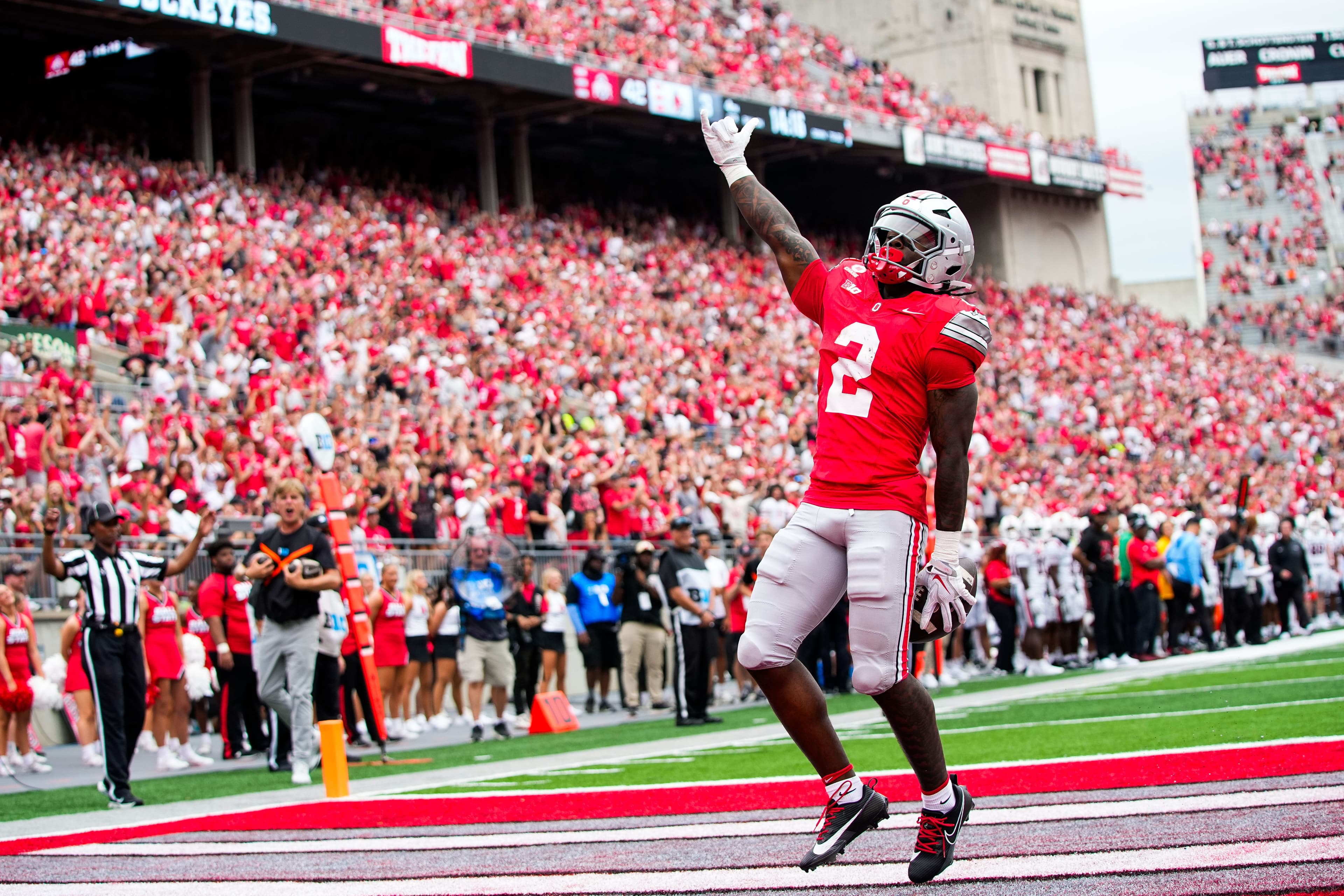
The starting point was the Buckeyes' home opener against Ball State, a lopsided matchup that nonetheless drew a crowd of more than 101,120 to Ohio Stadium. Stecuła noted that the attendance figure would rank the venue among Ohio's largest cities on game day. Countless others followed the action from tailgates, bars and living rooms.
Politically, he wrote, that crowd contained plenty of people who would struggle to find common ground on almost any issue. Yet the shared identity as Buckeyes overrode those differences, at least for an afternoon. Public universities, he observed, have become flashpoints in partisan fights, and Ohio is no exception to that trend.
Stecuła pointed to a representative survey of 300 Ohio adults he helped conduct in August 2025. On the question of scrapping diversity, equity and inclusion offices, only 11% of Democrats were supportive, while 65% of Republicans backed the idea. But when asked about Ohio State itself, the partisan gap largely disappeared.
Roughly 70% of respondents in both parties viewed the university favorably, and clear majorities on both sides reported feeling pride when the school's teams succeeded. Stecuła acknowledged limits to the finding: Ohio State generates about $19 billion a year for the state's economy through teaching, research, health care and public service in all 88 counties, so goodwill may reflect that work rather than sports fandom. He also cautioned the data cannot prove football itself reduces polarization.
The deeper issue he studies is what social scientists call affective polarization — the tendency of Americans to distrust or even despise those from the opposing party. In earlier work with co-author Matthew Levendusky, Stecuła found that brief, in-person political conversations between people from different camps lowered partisan hostility. Participants came to see the other side as less alien, felt heard, and kept disagreeing on the issues while feeling better about the people disagreeing with them.
The catch, he wrote, is that few people volunteer to talk politics with strangers. Sports, he argued, supplies the opening: chatting about Saturday's game with a coworker or accepting a neighbor's invitation to watch the next one are low-pressure ways to connect before politics enters the picture.
He cited a 2025 national survey by More in Common showing that 68% of the most avid sports fans were open to conversations across party lines, versus 46% of nonfans. On cooperating with people of different political views toward a community goal, the numbers were 82% and 65% respectively. The survey cannot say whether sports creates that openness or simply attracts people who already have it.
Stecuła closed with a nod to a famous quote from a legendary Liverpool manager, who insisted football matters far more than life and death. He stopped short of claiming Buckeye football could end polarization. But with distrust in higher education rising, he wrote, more than 100,000 Ohioans from across the political spectrum showing up in the same colors is a chance to disagree better — and to learn something about the fan in the next seat.
Games to watch