Josh Harris says London home game 'not good' for Commanders finances
The short version
- Washington lost 30-13 to Indianapolis in a London game that counted as a Commanders home fixture.
- The defeat was Washington's third of the season and left the team last in the NFC East; Jayden Daniels did not play.
- Harris said the international home game is financially 'not good' despite an NFL offset fee and covered travel costs.
- Forbes lists Northwest Stadium's net gate receipts at $87.1 million, 27th in the league.
- Team president Mark Clouse framed the trip as an investment; the NFL plans more international games in coming years.
Washington owner Josh Harris said the league's payments cannot make an overseas home date pay for itself after a 30-13 loss to Indianapolis in London.
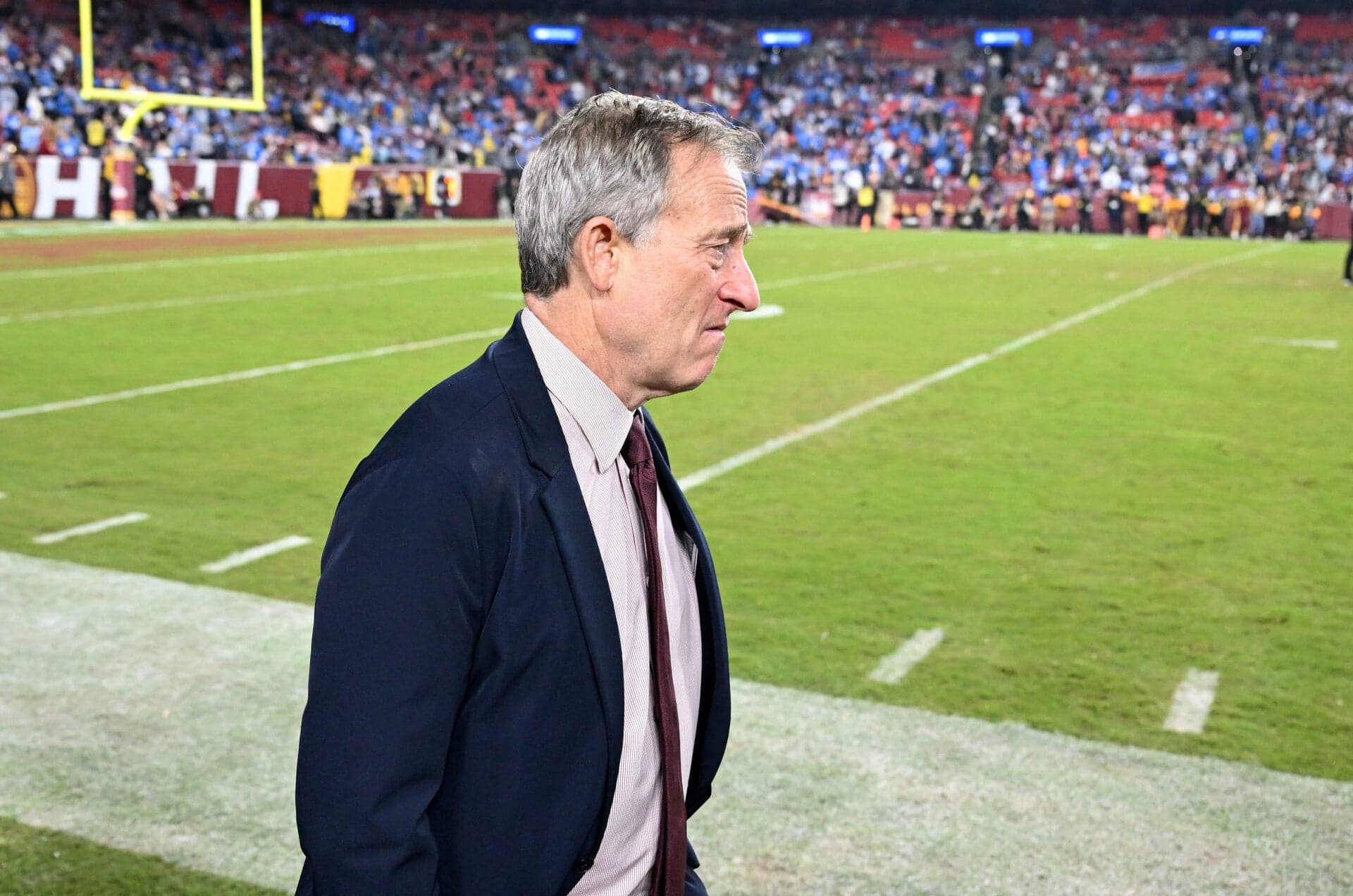
Washington Commanders owner Josh Harris says the economics of shifting a home game to London do not add up for his franchise, even with the financial assistance the NFL extends. Both the result and the balance sheet left the owner far from happy after the trip. His comments followed a 30-13 defeat against the Indianapolis Colts in the NFL's London game, a matchup designated as a home fixture for Washington.
The loss was Washington's third of the season and left the club sitting last in the NFC East. Harris's side was without star quarterback Jayden Daniels, and the offense created little of consequence, settling for a single touchdown. From the opening stages through the final whistle, the performance fell well short of the team's best.
The concern ran deeper than the result. As the designated home team, Washington gave up the income that a regular fixture at its own stadium generates. The league provides a fee to clubs in this position, intended to offset the ticket-based revenue they lose by not playing in their own venues.
Travel and accommodation form another expense, and the NFL covers a substantial portion of those costs for players and equipment on trips abroad. Between the fee and that logistical support, the league works to make its overseas model easier for clubs to accept. In Harris's view, the package still falls short.
Asked whether a home game on foreign soil made financial sense for the franchise, Harris laughed before giving his assessment. "It's not good," he said. "It's bad in a lot of ways. But I'm not so much focused on economics, honestly. I'm focused on being part of the NFL community and growing the game internationally."
The figures underline the size of the sacrifice. Forbes puts net gate receipts at Northwest Stadium at $87.1 million, a figure that leaves the venue 27th on its list. Even for a stadium in the bottom half of that ranking, the revenue attached to a home date is significant. Relocating a game to London takes that income off Washington's books for the week.
Within the organization, the view from the president's office is more upbeat. Mark Clouse, speaking to Sportico, cast the London assignment as spending meant to yield returns down the line. "I would describe it as an investment in the future of the league and the team," Clouse said. "That's the way we have to look at it."
Other franchises will soon confront the same calculation. The NFL plans to add international games over the coming years, a path that will send more teams abroad for home fixtures. The arrangement may weigh on club revenues in the near term. As the game's global reach widens, though, the possibility of substantially larger earnings grows alongside it.
Games to watch