NFL Promotes Guardian Caps, but Researchers Question the Evidence
News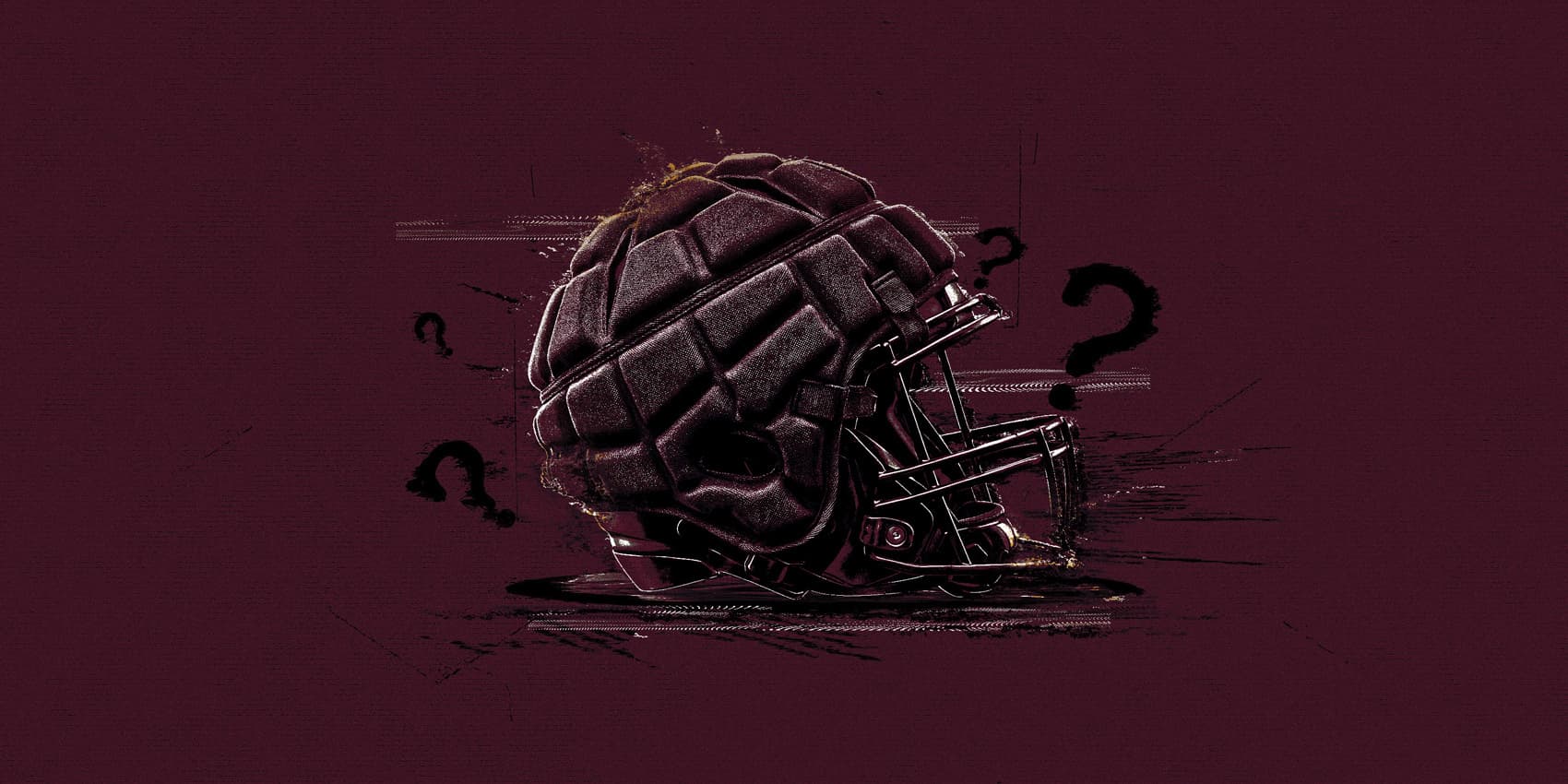
The short version
- Saints receiver Chris Olave wears a Guardian Cap in games after four concussions in his first three NFL seasons.
- The NFL cites lab data showing at least 9 percent impact reduction and about 50 percent fewer concussions in practices.
- Independent researchers question whether the caps reduce concussion or CTE risk, and a 2025 study challenged the league's claims.
- The consumer XT model has less padding than the NXT version used by NFL and Division I players.
- The design traces back to Bert Straus's Pro Cap from the late 1980s, worn by Mark Kelso and Steve Wallace.
Chris Olave now wears a Guardian Cap in games, yet independent scientists say the data behind the NFL's safety claims remains unsettled.
New Orleans Saints wide receiver Chris Olave, who sustained four concussions across his first three professional seasons, has started wearing a Guardian Cap during games this year. The soft padded shell fits over a standard helmet. Olave told reporters after the season opener against Detroit that he no longer cares about appearances because he wants a normal life after football and wants to be there for his children.
The league began promoting the product in 2022, citing laboratory findings that the cap reduces impact forces from head hits by at least 9 percent and practice data suggesting concussions drop by roughly half when the padding is worn. Those numbers underpin an NFL rule requiring players at contact practices to use either a Guardian Cap or one of a small number of top-performing helmet models. Game-day use has been allowed since the 2024 season, though only a few dozen players, Olave among them, have done so. Jeff Miller, the league's executive vice president for health and safety initiatives, called the cap a step forward for player safety.
Outside experts remain divided. Some independent neurologists and neuroscientists worry the caps create a false sense of protection without lowering the risk of chronic traumatic encephalopathy, the degenerative brain disease linked to repeated head impacts. A 2025 study that included the NFL's top medical officer challenged the league's claimed link between the caps and reduced concussions. A Boston University CTE Center co-founder, Chris Nowinski, said there is no basis to think the caps help high school or college players and warned that parents may wrongly assume the product shields children from concussions and CTE.
Critics also point to a gap between the professional and retail products. NFL and Division I college players use the NXT model, while the lighter XT version sold to consumers, priced up to $89.99, contains less padding. Testing at several independent labs indicates the XT may offer weaker protection than the NXT.
The idea dates to the late 1980s, when industrial designer Bert Straus of Erie, Pennsylvania, developed the Pro Cap foam shell after watching a violent helmet-to-helmet hit in a college game. Former players Mark Kelso of the Buffalo Bills and Steve Wallace of the San Francisco 49ers credited that earlier design with prolonging their careers, but doubts about its effectiveness and resistance to its bulky look kept the NFL from adopting it. Around 2010, Straus brought the concept to Lee and Erin Hanson, an Atlanta materials science couple whose company developed custom polyurethane products; Erin Hanson, a mother of five with deep family ties to football, said she wanted a safer way for kids to play the game.
Written by the Matchday Live desk from reporting by Yahoo Sports.
Read the original report at Yahoo Sports ↗